

Sustainability · 2025
In this section51 topics
- Sustainability Policy3 items
- Sustainability Goals & UN SDGs3 items
- Policy Review2 items
- Business Value Chain1 item
- Stakeholder Analysis1 item
- Environmental Policy & Guidelines4 items
- Environmental Policy Review1 item
- Energy — Plan & Guidelines1 item
- Energy — Electricity Consumption1 item
- Energy — Fuel Consumption2 items
- Energy — Targets1 item
- Energy — Performance & Outcomes2 items
- Water — Plan & Guidelines2 items
- Water — Withdrawal, Discharge & Consumption1 item
- Water — Targets1 item
- Water — Performance & Outcomes2 items
- Waste — Plan & Guidelines2 items
- Waste — Generation, Disposal & Recycling1 item
- Waste — Targets2 items
- Waste — Performance & Outcomes2 items
- GHG — Plan & Guidelines2 items
- GHG — Emissions1 item
- GHG — Emissions Verification2 items
- GHG — Principles & Standards1 item
- GHG — Targets1 item
- GHG Targets — Net Zero1 item
- GHG Targets — Carbon Neutrality1 item
- GHG — Performance & Outcomes2 items
- Environmental Legal Incidents1 item
- Other Environmental Management1 item
- Social Policy & Guidelines3 items
- Social Policy Review1 item
- Social — Principles & Standards Practised1 item
- Human Rights Due Diligence2 items
- Employees — Plan & Guidelines3 items
- Employees — Workforce1 item
- Employees — Remuneration & Provident Fund1 item
- Employees — Training & Development1 item
- Employees — Occupational Health & Safety1 item
- Employees — Labour Relations1 item
- Employees — Employee Representation2 items
- Employees — Targets2 items
- Employees — Performance & Outcomes2 items
- Customers — Plan & Guidelines3 items
- Customers — Satisfaction Results1 item
- Customers — Targets2 items
- Customers — Performance & Outcomes2 items
- Community & Social — Plan & Guidelines3 items
- Community & Social — Targets2 items
- Community & Social — Performance & Outcomes2 items
- Law Violation Incidents1 item
Sustainability Policy
Has a Sustainability Policy
Yes
Policy Description
ESG Commitment and Policy
The Company understands the crucial role that ESG (Environmental, Social, and Governance) plays in its success, both now and in the future. To guide its sustainable development efforts, the Company has established an ESG Policy, which is publicly available on its website. This policy reflects the Company’s commitment to protecting the environment, reducing environmental and social impacts, and operating with transparency and accountability, while upholding social responsibility to create shared value for society as a whole.
Policy Document Link
https://www.i-tail.com/storage/document/cg/egs-policy-en.pdf
Sustainability Goals & UN SDGs
Has Sustainability Goals
Yes
Goals Description
As a subsidiary of Thai Union Group, the Company follows the SeaChange 2030 Sustainability Strategy, which focuses on five key areas:
Human and Labor Rights
Health and Well-being
Climate Action
Circular Economy
Biodiversity
This strategy aligns with 10 of the United Nations Sustainable Development Goals (SDGs) and serves as a key foundation for establishing the Company’s sustainability targets.
Impact Areas | Company’s Goals by 2030 |
Human and Labor Rights |
|
Climate Action |
|
Circularity |
|
Biodiversity |
|
*All species in Priority Group 1, which represent more than 90% of Thai Union Group's total wild-capture volume, are the primary focus. The Company will continue to drive continuous improvement for other species beyond 2030.
The Company has communicated its SeaChange 2030 sustainability strategy and targets to directors, executives, and employees, with 100%, at all levels through various communication channels, including presentations to enhance understanding, online training (e-learning), internal communication materials, and standee displays installed throughout the Company’s premises.
In addition, training sessions and strategy communications are conducted during quarterly Townhall meetings, which serve as engagement forums between management and employees, with participation from staff at both the head office, Samut Sakhon Plant, and Songkhla Plant.
Each internal department has developed action plans and aligned strategic initiatives with the Company’s sustainability targets to ensure the organization can effectively drive and achieve its objectives. Furthermore, the Company prepares and submits quarterly sustainability performance reports to the Board of Directors.
UN Sustainable Development Goals
| SDG Goal |
|---|
| Goal 2 Zero Hunger |
| Goal 3 Good Health and Well-being |
| Goal 5 Gender Equality |
| Goal 8 Decent Work and Economic Growth |
| Goal 10 Reduce Inequalities |
| Goal 12 Responsible Consumption and Production |
| Goal 13 Climate Action |
| Goal 14 Life below Water |
| Goal 15 Life on Land |
Policy Review
Policy Reviewed This Year
No
Policy Changed This Year
No
Business Value Chain
Value Chain Description
Business Value Chain Overview
Effective management of the business value chain is a key driver of sustainable growth and operational excellence. The Company has established an integrated operational framework that addresses stakeholders across the entire value chain from raw material procurement and production to storage and distribution, marketing and sales, and customer service to ensure efficiency, transparency, and alignment with quality and sustainability standards. The Company is committed to creating long-term value by prioritizing consumer and pet well-being, promoting efficient resource utilization, mitigating environmental impacts, and supporting the balanced enhancement of stakeholders’ quality of life.
Key Activities in the Business Value Chain
Procurement of Raw Materials
The Company adheres to the sourcing principles outlined in the Thai Union Group General Responsible Sourcing Guidelines. Key raw materials used in pet food production include imported tuna, as well as domestically sourced chicken, sardines, and other ingredients.
The procurement process is managed by an experienced team to ensure the selection of high-quality raw materials. The Company plans material requirements in advance and sources from multiple suppliers to maintain supply continuity and support fair pricing negotiations.
The Company places strong emphasis on traceability, ensuring that raw materials can be transparently traced back to their sources. Its procurement approach is guided by principles of fairness and equitable treatment of trading partners, supported by transparent processes and clearly defined contractual terms. Supplier performance is regularly monitored and evaluated to promote sustainable, long-term collaboration.
Production
In 2025, the Company strengthened operational efficiency by shifting its focus toward automation, productivity enhancement, and workforce capability development. Across production and warehouse operations, the Company implemented targeted automation and process improvements to increase line continuity, enhance workflow efficiency, and reduce manual handling, thereby contributing to safer and more ergonomic working conditions. Selective capacity enhancements in pouch, sachet, and canning operations, combined with optimized work scheduling, enhanced flexibility in responding to customer demand in key international markets.
Quality assurance capabilities were further strengthened through the establishment of in-house testing and calibration systems, improving operational responsiveness while reducing reliance on external service providers. In parallel, the Company advanced packaging innovation by introducing new sealing technologies to reduce waste and enhance product quality, laying a foundation for future commercial applications.
Throughout these initiatives, the Company remained committed to employee well-being, fair treatment, and respect for human rights, supporting workforce transitions through reskilling and upskilling as operations evolved.
Overall, these efforts reinforced the Company’s operational resilience and readiness to support sustainable long-term growth.
Quality Control According to International Standards
The Company places the highest priority on product safety, quality, and compliance with international standards throughout the entire value chain—from raw material reception to production, packaging, and shipment.
The Company’s quality assurance (QA) system is designed to ensure that every product strictly complies with global standards and requirements, delivering safe, nutritious, and high-quality pet food to customers worldwide.
Comprehensive Quality Assurance Framework
Multi-stage Quality Controls:
Raw Material Inspection: All incoming raw materials undergo rigorous checks for freshness, contamination, and compliance with established specifications
In-Process Controls: Continuous monitoring throughout production to maintain product consistency and prevent deviations
Finished Product Testing: Microbiological, chemical, and physical tests to ensure safety and nutritional integrity prior to commercial release
Traceability Systems:
Every batch is fully traceable from source to finished product, enabling the Company to respond promptly and effectively in the event of any quality-related issues or concerns
International Certifications and Compliance
The Company’s facilities and operational processes are aligned with internationally recognized standards, including:
GMP (Good Manufacturing Practices) and HACCP (Hazard Analysis Critical Control Point) certifications granted by the Department of Livestock Development (DLD)
BRC (British Retail Consortium) Global Standard for Food Safety
FSMA (Food Safety Modernization Act) compliance for exports to the U.S.
SEDEX membership to promote ethical business practices
Halal Certification to ensure adherence to Islamic cleanliness and safety requirements
ISO 14001 certification for environmental management systems
These certifications reflect the Company’s commitment to food safety, responsible sourcing, environmental sustainability, and social responsibility, in line with good corporate governance principles.
Continuous Improvement and Innovation
Regular internal audits and third-party inspections to maintain certification status and systematically identify opportunities to enhance operational effectiveness
Investment in advanced laboratory equipment to improve testing speed, accuracy, and result reliability
Ongoing employee training on quality standards, hygiene, and regulatory compliances practices
Storage and Shipping In 2025, the Company strengthened storage and shipping operations by enhancing warehouse control, process discipline, and digital traceability to support product quality, safety, and operational efficiency. A structured line clearance and readiness management system was reinforced to prevent cross-contamination, ensure accurate product segregation, and maintain compliance with food safety standards before each production and packing run.
The integration of digital tools and data analytics improved traceability, waste analysis, and operational responsiveness across warehouse activities. Standardized identification, labeling, and workplace organization practices further supported orderly material flow and reduced the risk of storage and dispatch errors.
Looking ahead, the Company is preparing to commence operations of an automated warehouse. These initiatives are expected to strengthen shipment reliability, reduce logistics costs, enhance space utilization, and promote a safer and more efficient working environment, thereby supporting long-term operational resilience and reinforcing customer confidence.
Marketing and Sales
The Company is committed to advancing innovation in pet nutrition through continuous research and development in functional pet food, treats, and supplements. Through rigorous raw material research and tailored formulation development, we aim to deliver differentiated, sustainable, and competitive products that anticipate evolving consumer preferences and emerging market trends.
To strengthen customer partnerships and drive strategic growth, the Company has established a dedicated Category Management team that extends beyond traditional OEM manufacturing. This team delivers insight-driven strategic approaches that enable customers to anticipate market trends and stimulate new demand. Leveraging data analytics and deep market foresight, Category Management proactively develops high-growth segments such as wet food, treats, hydration products, and supplements. This approach elevates the Company’s role from a reliable supplier to a strategic partner, shaping the future of pet nutrition and fostering long-term customer relationships through co-creation and shared value development.
Looking ahead to 2026, the Company will prioritize clinical studies and testing in collaboration with leading universities—initiatives that require time to deliver meaningful results. And focus on acquiring new customers in emerging markets, including Asia, the Middle East, and Eastern Europe.
Stakeholder Analysis
Stakeholder Analysis
| Stakeholder Type | Stakeholders | Stakeholder Expectations | Response to Expectations | Communication Activities |
|---|---|---|---|---|
| Internal stakeholders | 2904 · Description: Investors or investment institutions | • Ensure transparent operations and strong corporate governance
• Treat shareholders fairly and equally
• Provide accurate, complete, and timely information about the Company
• Maintain a stable and growing business with strong performance
| • Govern the business in a transparent, fair, and accountable way
• Establish corporate governance policies and ethical guidelines for directors, executives, and employees
• Offer multiple communication channels, including the company website and postal mail, for governance-related inquiries and complaints
• Host quarterly meetings and investor relations activities to share strategies and operating results with stakeholders
| 2938 · Description: Visit · 2943 · Description: External Meeting · 2944 · Description: Annual General Meeting (AGM) |
| Internal stakeholders | 2921 · Description: Employees | • Offer fair and appropriate compensation and benefits
• Ensure fair labor practices and safe working conditions
• Continuously develop employee knowledge, skills, and abilities
• Provide opportunities for career advancement and work-life balance
| • Set fair compensation that meets or exceeds industry standards and legal requirements
• Treat all employees equally and with respect for their rights
• Provide accessible complaint channels for employees
• Ensure a safe and suitable work environment
• Implement training plans to enhance employees’ knowledge and skills
• Promote career advancement through clear development opportunities
• Actively listen to employee feedback to strengthen organizational ties
| 2942 · Description: Internal Meeting · 2945 · Description: Complaint Reception · 2949 · Other name: Employee participation surveys · Description: Others |
| External stakeholders | 2923 · Description: Customers | • Ensure products meet quality and food safety standards
• Develop products that align with customer needs, product strategies, and brand goals
• Follow competitive pricing principles
• Ensure on-time and in-full delivery
• Safeguard customer confidentiality
| • Manage quality and food safety according to international standards
• Innovate with alternative raw materials, production processes, and new products
• Collaborate with customers in R&D to meet their needs
• Continuously improve production efficiency for competitive pricing
• Plan production efficiently to meet delivery commitments
• Maintain customer information confidentiality
• Actively listen to customer feedback to improve processes
| 2938 · Description: Visit · 2943 · Description: External Meeting · 2945 · Description: Complaint Reception · 2947 · Description: Satisfaction Survey |
| External stakeholders | 2936 · Other name: Pets and Pet Owners · Description: Others | • Ensure products meet quality and food safety standards
• Follow competitive pricing principles
| • Develop innovative pet food products that satisfy consumer needs and enhance pet happiness
• Adhere to international quality and food safety standards
• Provide clear and complete product information on labels
• Organize activities for pet owners and participate in trade shows
| 2949 · Other name: Company website and Social media · Description: Others |
| External stakeholders | 2900 · Description: Business partners | • Ensure fair purchasing and hiring practices
• Adhere to business ethics, trade conditions, and mutually agreed contractual terms
• Comply with regular product orders and adjust them based on the company’s operational results
| • Evaluate and select new vendors fairly
• Procure raw materials and packaging responsibly, meeting sustainability and human rights standards
• Strictly follow business ethics and agreements with trading partners
• Regularly evaluate suppliers to improve their operations and strengthen partnerships
| 2945 · Description: Complaint Reception · 2949 · Other name: Regular meetings with business partners · Description: Others |
| External stakeholders | 2898 · Description: Competitors | • Conduct business with transparency and fair competition | • Do not seek confidential competitive information through dishonest means
• Adhere to competition rules and laws with transparency
• Operate ethically, ensuring fairness and transparency in all business dealings
| 2945 · Description: Complaint Reception |
| External stakeholders | 2902 · Description: Community | • Responsibility towards the community, society, and the environment
• Address issues and mitigate impacts from operations promptly
• Engage with and listen to the community and the surrounding society
• Address social concerns and local community issues
| • Strictly comply with environmental laws
• Participating in community and social activities
• Take proactive steps to prevent, manage, and minimize negative impacts on the environment and local communities
• Listen to community feedback, including problems and complaints, and take corrective actions as needed
| 2945 · Description: Complaint Reception |
| External stakeholders | 2931 · Description: Government agencies and Regulators | • Comply with laws, regulations, and rules
• Collaborating with government agencies
| • Strictly comply with all relevant laws, rules, and regulations
• Stay updated on new legislation and related practices
• Cooperate with government agencies during inspections and factory visits
| 2943 · Description: External Meeting · 2949 · Other name: Participate in and promote government activities · Description: Others · 2949 · Other name: Disclose information upon request · Description: Others |
| External stakeholders | 2929 · Description: Media | • Ensure data transparency
• Provide timely information disclosure
| • Govern the business with transparency, fairness, and accountability
• Offer multiple communication channels, including the company website and postal mail, for corporate governance-related inquiries and complaints
• Organize media activities and provide timely information through the corporate communications team
| 2939 · Description: Press Release · 2941 · Description: Online Communication · 2949 · Other name: Media meetings · Description: Others |
Environmental Policy & Guidelines
Has an Environmental Policy
Yes
Policy Description
Commitment to Responsible and Sustainable Operations
The Company and its subsidiaries are committed to conducting business based on responsibility and sustainable development. Our goal is to elevate production and operational standards throughout the entire supply chain, while placing strong emphasis on reducing environmental impacts across multiple dimensions. This is carried out under governance aligned with the Safety, Health, and Environment (SHE) policy.
The Company prioritizes the efficient use of natural resources to minimize potential environmental impacts, including reducing resource losses and the amount of waste generated from production processes.
The Company also promotes awareness and engagement among employees and surrounding communities near both of its manufacturing sites on an ongoing basis, ensuring that operations comply with relevant policies, laws, and best practices in environmental management.
In addition, the Company operates in alignment with relevant international standards, such as:
ISO 14001 Environmental Management System
ISO 45001 Occupational Health and Safety Management System
BRCGS Food Safety Standards
For the year 2025, the Company has implemented environmental projects and developed key management guidelines. A dedicated team of specialists is directly responsible for environmental operations. These initiatives build upon progress achieved in 2024 and also include new projects currently under study and feasibility assessment.
Policy Document Link
https://www.i-tail.com/storage/document/cg/egs-policy.pdf
Environmental Guidelines
| Guideline |
|---|
| Electricity Management |
| Renewable/Clean Energy Management |
| Water Management |
| Waste Management |
| Biodiversity Management |
| Greenhouse Gas and Climate Change Management |
Environmental Policy Review
Policy Reviewed This Year
No
Energy — Plan & Guidelines
Has an Energy Management Plan
No
Energy — Electricity Consumption
Electricity Consumption
| Metric | Previous Year | Two Years Ago |
|---|---|---|
| Total electricity consumption within the organization (Kilowatt-Hours) | 53,220,966.53 | 47,791,087.49 |
| Electricity purchased for consumption from non-renewable energy sources (Kilowatt-Hours) | ||
| Electricity purchased or generated for consumption from renewable energy sources (Kilowatt-Hours) |
Energy — Fuel Consumption
Fuel Consumption
| Metric | Previous Year | Two Years Ago |
|---|---|---|
| Crude oil (Barrels) | ||
| Coal (Metric tonnes) | 5,963 | 5,945.17 |
| Jet fuel (Litres) | ||
| Diesel (Litres) | ||
| Gasoline (Litres) | ||
| Fuel oil (Litres) | ||
| Natural gas (Standard cubic feet) | ||
| LPG (Kilograms) | 30,030 | 10,470 |
| Steam (Metric tonnes) | 12,203 | 12,595 |
Other Fuels
| Fuel | Unit | Current Year | Previous Year | Two Years Ago |
|---|---|---|---|---|
| Fuel oil (Gigajoules) | 3310 · Description: Others | 88,659 | 73,539 | 61,989 |
| Biodiesel (B7) - Non renewable part (93%)(Gigajoules) | 3310 · Description: Others | 9,140 | 7,967 | 8,504 |
| Liquefied Petroleum Gas (Gigajoules) | 3310 · Description: Others | 1,731 | 1,480 | 515 |
| Coal (Gigajoules) | 3310 · Description: Others | 124,991 | 157,242 | 156,774 |
| Biogasoline E10 (90% gasoline)(Gigajoules) | 3310 · Description: Others | 8.5 | 8.5 | 8.5 |
| Biogas (Gigajoules) | 3310 · Description: Others | 10,293 | 10,279 | 8,380 |
| Biodiesel (B7) - renewable part (7%) (Gigajoules) | 3310 · Description: Others | 687.93 | 600 | 640 |
| Biogasoline E10 (10% ethanol) (Gigajoules) | 3310 · Description: Others | 0.94 | 0.94 | 0.94 |
| Pellet fuel (Gigajoules) | 3310 · Description: Others | 237,214 | 260,720 | 179,240 |
| Wood chip (Gigajoules) | 3310 · Description: Others | 0 | 0 | 796 |
| Fuel wood (Gigajoules) | 3310 · Description: Others | 744 | 744 | 576 |
| Palm shell (Gigajoules) | 3310 · Description: Others | 183,847 | 0 | 74,617 |
| Solar energy (Gigajoules) | 3310 · Description: Others | 20,394 | 16,054 | 11,960 |
| Indirect Energy Consumption (Gigajoules) | 3310 · Description: Others | 185,877 | 198,099 | 208,510 |
Energy — Targets
Has Set Targets
No
Energy — Performance & Outcomes
Has Performance Results
Yes
Performance Description
The Company places importance on the following areas:
Expanding the use of renewable energy:
Increasing solar PV electricity generation capacity at the Samut Sakhon and Songkhla factories to support the Group’s renewable energy targets. In 2025, 2.2 MW solar PV was completely installed at the Samut Sakhon factory.Enhancing energy efficiency:
Improving the efficiency of the compressed air system and transitioning to high-efficiency machinery in alignment with Thai Union Group’s operational greenhouse gas reduction plan.
Water — Plan & Guidelines
Has a Water Management Plan
Yes
Plan Description
Water-related risks across i-Tail’s operations are integrated into Thai Union Group’s Enterprise Risk Management (ERM) system, supporting informed decision-making across short-, medium-, and long-term time horizons. According to Aqueduct’s classification, water risk levels are categorized accordingly.
Water — Withdrawal, Discharge & Consumption
Water Withdrawal, Discharge & Consumption
| Metric | Current Year | Previous Year | Two Years Ago |
|---|---|---|---|
| Total water withdrawal (Cubic meters) | 1,609,323 | 1,537,103 | 1,450,808 |
| Total water withdrawal by third-party water (Cubic meters) | 618,779 | 599,108 | 525,511 |
| Total water withdrawal by surface water (Cubic meters) | 549,725 | 513,742 | 538,129 |
| Total water withdrawal by groundwater (Cubic meters) | 440,819 | 424,253 | 387,168 |
| Total water withdrawal by seawater (Cubic meters) | |||
| Total water withdrawal by produced water (Cubic meters) | |||
| Percentage of wastewater treated before discharge (%) | 1,396,278 | ||
| Total water discharge (Cubic meters) | 1,396,279 | 1,251,221 | 994,851 |
| Total water discharge to third-party water (Cubic meters) | 322,105 | 178,677 | 33,508 |
| Total water discharge to surface water (Cubic meters) | 1,074,174 | 1,072,544 | 961,343 |
| Total water discharge to groundwater (Cubic meters) | |||
| Total water discharge to seawater (Cubic meters) | |||
| Total water consumption (Cubic meters) | 213,044 | 285,882 | 455,957 |
| Recycled water (Cubic meters) |
Water — Targets
Has Set Targets
No
Water — Performance & Outcomes
Has Performance Results
Yes
Performance Description
i-Tail evaluated water-related risks across its critical Tier-1 supply chain, focusing on regions engaged in aquaculture, seafood processing, and the production of agricultural feedstocks. Using the WRI Aqueduct assessment tool, the Company identified 10 suppliers of key agricultural commodities—such as maize, rice, soy, and sugar—operating in water-stressed areas. However, these commodities represent less than 1% of ITC’s total procurement spend, as the majority of raw material sourcing is concentrated in seafood products.
To strengthen risk management, the Company integrates water-risk mapping tools into its Sustainable Supply Chain Program to continuously monitor and address these risks. Mitigation measures are implemented through robust supplier engagement, including risk-based site assessments, supplier self-assessments, third-party audits, and capacity-building initiatives that promote responsible water stewardship.
Moreover, the Company has also implemented a Zero Liquid Discharge (ZLD) system at its Songkhla facility and adopted the Dry Concept Strategy, resulting in reduced water use intensity compared with the 2023 baseline. Ongoing actions include systematic water-use monitoring, efficiency improvements, and alternative water-source planning.
In 2025, The Company invested in water-efficiency projects, including the completion of Phase 1 of the Reverse Osmosis (RO) system at the Songkhla factory in 2025, reducing water-use intensity by 3% compared with 2024. This forms part of the water-reduction and Dry Concept strategy, which aims to minimize water use at the source through comprehensive manufacturing process assessments and improvements.
Waste — Plan & Guidelines
Has a Waste Management Plan
Yes
Plan Description
The company is committed to reducing our environmental footprint through a comprehensive waste-management strategy aligned with the internationally recognized waste-management hierarchy. Our approach begins with preventing waste at the source, supported by routine waste audits that identify major waste streams and their root causes. Insights from these audits are integrated directly into operational planning and performance evaluations to drive continuous improvement.
When waste cannot be entirely avoided, we prioritize reuse, recycling, and circular-economy solutions in collaboration with external partners. Wastewater sludge is diverted from landfill and repurposed into soil conditioners and fertilizers, while boiler ash is transformed for use in concrete and brick production. For waste that cannot be recycled, we apply energy-recovery solutions before final disposal, ensuring that materials are utilized as efficiently and responsibly as possible.
Waste — Generation, Disposal & Recycling
Waste Generation, Disposal & Recycling
| Metric | Current Year | Previous Year | Two Years Ago |
|---|---|---|---|
| Total waste generated (Kilograms) | 2,102,821 | 1,946,230 | 2,040,490 |
| Non-hazardous waste (Kilograms) | 2,096,971 | 1,931,180 | 2,034,720 |
| Non-hazardous waste - Landfilling (Kilograms) | 1,945,245 | 1,600,025 | 1,780,190 |
| Non-hazardous waste - Incineration (with energy recovery) (Kilograms) | 151,726 | 331,155 | 254,530 |
| Non-hazardous waste - Incineration (without energy recovery) (Kilograms) | |||
| Non-hazardous waste - Other disposal operations (Kilograms) | |||
| Hazardous waste (Kilograms) | 5,850 | 15,050 | 5,770 |
| Hazardous waste - Landfilling (Kilograms) | |||
| Hazardous waste - Incineration (with energy recovery) (Kilograms) | 5,850 | 15,050 | 5,770 |
| Hazardous waste - Incineration (without energy recovery) (Kilograms) | |||
| Hazardous waste - Other disposal operations (Kilograms) | |||
| Total reused/recycled waste (Kilograms) | 2,980,414 | 2,358,738 | 1,898,341 |
| Reused/Recycled non-hazardous waste (Kilograms) | 2,963,639 | 2,336,498 | 1,838,884 |
| Reused non-hazardous waste (Kilograms) | 11,940 | 10,399 | 1,044 |
| Recycled non-hazardous waste (Kilograms) | 2,951,699 | 2,326,099 | 1,837,840 |
| Reused/Recycled hazardous waste (Kilograms) | 16,775 | 22,240 | 59,457 |
| Reused hazardous waste (Kilograms) | 7,455 | 6,288 | 4,964 |
| Recycled hazardous waste (Kilograms) | 9,320 | 15,952 | 54,493 |
Waste — Targets
Has Set Targets
Yes
Targets
| Waste Type | Disposal Approach | Target | Target Year | Target Change (%) | Unit |
|---|---|---|---|---|---|
| Non-hazardous waste | 2760 · Description: Landfilling | Reduce waste volume | 2,030 | 95 | Tonne |
| Non-hazardous waste and hazardous waste | 2763 · Other name: Food waste · Description: Other | Reduce waste volume | 2,030 | 95 | Tonne |
Waste — Performance & Outcomes
Has Performance Results
Yes
Performance Description
In 2025, the waste-to-landfill intensity increased to 17.8, compared with 15.8 in 2024. Despite this overall rise, one of our two factories successfully achieved zero waste to landfill during the reporting period. The Company continues to advance waste-reduction and diversion initiatives and remains on track to meet the Group’s long-term zero-waste-to-landfill commitment, in alignment with our parent company’s sustainability goals.
GHG — Plan & Guidelines
Has a GHG Management Plan
Yes
Plan Description
Climate Governance
Climate-related risks and opportunities—including physical risks such as flooding, extreme weather events, and raw material shortages, as well as transition risks such as carbon regulations, compliance requirements, and market shifts are overseen by the Board of Directors and integrated into the Company’s Enterprise Risk Management (ERM) framework.
To support effective governance and operations, the Board of Directors has appointed the Executive Committee for Sustainability (ExCom) to provide guidance and set strategic directions on sustainability and climate-related matters. This committee is responsible for establishing policies, operational frameworks, and action plans that align with the Company’s sustainability goals and commitments. It also monitors performance to ensure consistent and continuous implementation across the organization.
Management is responsible for coordinating operational execution and reporting progress under the oversight of the committee. The Company’s climate governance structure is aligned with Thai Union Group’s Task Force on Climate-related Financial Disclosures (TCFD) framework, reinforcing accountability, robust oversight, and unified decision-making on all climate-related issues.
Climate Targets and Scenario Planning
i-Tail operates in alignment with Thai Union Group’s SeaChange 2030 sustainability strategy and contributes to the Group’s climate targets to reduce greenhouse gas emissions in Scope 1, Scope 2, and Scope 3 by 42% by 2030, and to achieve Net Zero greenhouse gas emissions by 2050.
To support these targets, the Company places short-term focus on improving energy and production efficiency, increasing the share of electricity sourced from renewable energy, and engaging with suppliers to reduce upstream (Scope 3) emissions—representing significant emission sources within wet pet food production and across the Company’s value chain.
i-Tail applies Thai Union’s climate scenario analysis, which covers both transition scenarios toward a low-carbon economy (aligned with a 1.5-2 C global temperature increase) and physical risk scenarios. This analysis is used to assess potential impacts on operations, supply chains, and markets. Insights from these scenarios are applied in stress testing climate-related risks that have high relevance to the Company’s business, including:
Extreme weather events (e.g., flash floods and storms)
Supply chain disruptions and import delays related to climate conditions
Availability of protein and key raw materials
Carbon-related cost increases
Regulatory and compliance requirements for raw materials
Water scarcity affecting production
Expectations for sustainable packaging
Risks related to claims and disclosures
In parallel, the scenario analysis is also used to identify strategic opportunities amid the transition to a low-carbon economy, such as:
Enhancing operational efficiency and maintaining profitability
Expanding the use of renewable energy
Developing sustainable, low-carbon products
Strengthening OEM capabilities in claims and regulatory compliance
Supporting supplier greenhouse gas reduction initiatives for key raw materials
Insights from scenario planning inform annual business prioritization, investment decisions, supplier engagement strategies, and factory-level resilience measures—enhancing the Company’s ability to manage climate-related uncertainties while supporting long-term growth in the rapidly transforming global pet food market.
Climate Strategy and Resilience Building
The Company’s climate strategy is aligned with the Task Force on Climate-related Financial Disclosures (TCFD) framework and Thai Union Group’s SeaChange 2030 sustainability strategy, which reflects the Group’s commitment to the Science-Based Targets initiative (SBTi) to limit global temperature rise to no more than 1.5 C.
Thai Union Group’s TCFD report outlines three strategic pillars:
Reducing greenhouse gas emissions from operations
Engaging stakeholders across the value chain
Managing climate-related risks and opportunities
The Company has adopted and adapted these strategic pillars to ensure alignment with its own operational context and business priorities.
Pillar 1 — Transitioning to a Low-Carbon Organization
Thai Union Group’s TCFD report places strong emphasis on improving energy efficiency, increasing the use of renewable electricity, and implementing an internal carbon price—key mechanisms for mitigating transition risks under carbon-pricing scenarios. The Group-level scenario analysis indicates that adopting an internal carbon price helps reduce exposure to future regulatory cost burdens and enhances the quality of investment decision-making.
Embedded within the climate strategy are important opportunities, including cost savings through improved energy efficiency and brand differentiation through the use of renewable energy and energy-efficient operations.
The Company prioritizes the following areas:
Expanding renewable energy usage: Increasing solar PV electricity generation capacity at the Samut Sakhon and Songkhla manufacturing facilities to support the Group’s renewable energy targets.
Enhancing energy efficiency: Improving the efficiency of compressed air systems and replacing equipment with high-efficiency machinery, in alignment with Thai Union Group’s operational greenhouse gas reduction plan.
Future implementation of internal carbon pricing: Integrating internal carbon pricing into financial KPIs and capital expenditure (CapEx) decision-making for new projects, following the same approach used by Thai Union Group.
Moving toward future energy independence: Developing approaches for continuous energy storage and utilization to support long-term energy self-sufficiency.
Pillar 2 — Value Chain Engagement
Thai Union Group identifies Scope 3 greenhouse gas emissions as the primary source of its climate impact and places strong emphasis on supplier engagement, responsible sourcing, and packaging innovation. The Group’s TCFD disclosures highlight EBITDA-at-risk across both upstream and downstream activities under transition scenarios emphasizing the need for collaborative action to reduce emissions throughout the value chain.
Key opportunities embedded within the climate strategy include the creation of new revenue streams from sustainable packaging and alternative-protein products.
The Company prioritizes the following areas:
Supplier greenhouse gas disclosure: Requiring Tier-1 suppliers to report their greenhouse gas emissions and provide emission-reduction plans, in alignment with Thai Union Group’s supplier engagement program.
Protein diversification and development: Expanding responsible sourcing and conducting pilot projects on alternative proteins to manage raw material risks and reduce Scope 3 emissions.
Packaging innovation: Collaborating with Thai Union Group’s Global Innovation Center to develop mono-material and recyclable packaging formats to support the Group’s circular economy ambitions, as well as evaluating options to reduce plastic packaging usage.
Pillar 3 — Managing Climate-Related Risks and Opportunities
Thai Union Group’s TCFD report presents climate-related physical risk modeling—such as risks from flooding, storms, and extreme temperatures—along with adaptation measures to strengthen resilience at facility level and the use of predictive logistics systems. The report also highlights the integration of climate-related risks into the Group’s Enterprise Risk Management (ERM) framework and scenario analysis processes.
Embedded within the climate strategy are key opportunities, including strengthening competitive advantage through proactive resilience planning and transparent disclosures aligned with the TCFD framework.
The Company prioritizes the following areas:
Enhancing resilience to flood and storm risks: Developing and implementing comprehensive site-level adaptation plans for the Samut Sakhon and Songkhla factories, including improvements to drainage systems and elevation of critical equipment.
Water risk management: Assessing water-related risks using Aqueduct 4.0 and implementing zero-liquid-discharge (ZLD) initiatives in alignment with Thai Union Group’s responsible water stewardship guidelines.
Capturing business opportunities: Expanding the use of renewable energy and developing sustainable packaging to meet customer expectations, reduce reputational risks, and strengthen long-term competitiveness.
GHG — Emissions
GHG Emissions
| Metric | Current Year | Previous Year | Two Years Ago | Remark |
|---|---|---|---|---|
| Total GHG emissions (Metric tonnes of carbon dioxide equivalent) | 50,486 | 53,752.01 | 52,226.76 | |
| Total greenhouse gas emissions 1 (Metric tonnes of carbon dioxide equivalent) | 24,675 | 29,376.19 | 25,853.11 | Environmental performance data for 2022 that has been updated from the 2022 Annual Report (56-1 One Report) includes: Total production volume Greenhouse gas emissions (Scope 1 and Scope 2) Energy consumption (non-renewable energy) Energy consumption (renewable energy) Energy consumption (steam produced by Thai Union Manufacturing Co., Ltd.) (3) Scope 2 greenhouse gas emissions include electricity and steam purchased from Thai Union Manufacturing Co., Ltd. |
| Total greenhouse gas emissions 2 (Metric tonnes of carbon dioxide equivalent) | 25,811 | 24,375.82 | 26,373.65 | Environmental performance data for 2022 that has been updated from the 2022 Annual Report (56-1 One Report) includes: Total production volume Greenhouse gas emissions (Scope 1 and Scope 2) Energy consumption (non-renewable energy) Energy consumption (renewable energy) Energy consumption (steam produced by Thai Union Manufacturing Co., Ltd.) (3) Scope 2 greenhouse gas emissions include electricity and steam purchased from Thai Union Manufacturing Co., Ltd. |
| Total greenhouse gas emissions 3 (Metric tonnes of carbon dioxide equivalent) |
GHG — Emissions Verification
Emissions Verified by a Third Party
Yes
Verifying Body
2647
GHG — Principles & Standards
Principles & Standards Applied
| Standard |
|---|
| 2671 |
GHG — Targets
Has Set GHG Targets
Yes
GHG Targets — Net Zero
Net Zero Targets
| Emission Scope | Base Year | Base Year Emissions | Near-term Target Year | Near-term Target Change (%) | Long-term Target Year | Long-term Target Change (%) | Target Year | Target Change (%) | Unit |
|---|---|---|---|---|---|---|---|---|---|
| 2715 | 2,021 | 64,879.03 | 2,030 | 42 | 2,050 | 100 | 2,030 | 42 | Metric tonnes of carbon dioxide equivalent |
GHG Targets — Carbon Neutrality
Carbon Neutrality Targets
| Emission Scope | Carbon Neutrality Certified | Base Year | Base Year Emissions | Target Year | Target Change (%) | Unit |
|---|---|---|---|---|---|---|
| 2715 | N | 2,021 | 64,879.03 | 2,030 | 42 | Metric tonnes of carbon dioxide equivalent |
GHG — Performance & Outcomes
Has Performance Results
Yes
Performance Description
Response to Climate-Related Risks (TCFD)
To align with Thai Union Group’s TCFD framework, the Company follows a scenario-based plan across three strategic pillars: transitioning to a low-carbon organization, value chain engagement, and managing climate-related risks and opportunities. These efforts seek to mitigate both transition risks (e.g., carbon pricing, regulatory compliance, and shifting market dynamics) and physical risks (e.g., flooding, storms, drought, and water scarcity).
The Company’s sustainability strategy is grounded in SeaChange 2030, focusing on climate action, circular economy, and biodiversity, and includes key targets such as:
Reducing Scope 1 and Scope 2 greenhouse gas emissions by 42% by 2030
Achieving Net Zero greenhouse gas emissions by 2050
To address transition risks, the Company has developed a carbon-reduction plan aligned with SeaChange 2030, targeting:
42% reduction in Scope 1-2 greenhouse gas emissions by 2030, and
Achievement of Net Zero by 2050
This is supported by improvements in energy and production efficiency under the “Best in Class Manufacturing” approach. The Company has also installed low-carbon technologies, such as a biomass boiler at the Songkhla facility in 2025, to reduce reliance on fossil fuels and accelerate Scope 1 emission reductions.
As a result, in 2025 the Company achieved a 22% reduction in greenhouse gas emissions compared with the 2021 baseline.
Environmental Legal Incidents
Legal Violation Incidents
| Metric | Current Year | Previous Year | Two Years Ago |
|---|---|---|---|
| Number of cases or incidents of legal violations or negative environmental impact (cases) | 0 | 0 | 0 |
Other Environmental Management
Plan Description
Climate-Related Risks and Opportunities
In 2025, the Company conducted an assessment of climate-related risks through a cross-functional integrated workshop, applying the COSO Enterprise Risk Management (ERM) framework and aligning with the Task Force on Climate-related Financial Disclosures (TCFD). The purpose of this assessment was to evaluate potential impacts on the business across the short, medium, and long term.
The results confirmed that climate change is a material sustainability issue for the Company, with exposure to both transition risks and physical risks. These risks include regulatory and market changes, carbon-related cost impacts, volatility in raw materials and protein sources, packaging requirements, water usage in wet pet food production, and climate-related supply chain disruptions.
Beyond internal analysis, the Company also incorporated relevant external insights specific to the pet food industry particularly the State of Sustainability in the Pet Industry 2025 Edition by the Pet Sustainability Coalition (PSC). This report provides analysis of sustainability-related risks, as well as emerging regulatory trends and market transformations that directly affect pet food manufacturers.
The integration of internal expertise with industry-specific external perspectives enables the Company to identify climate-related material issues comprehensively. This approach reflects both the Company’s operational context and broader sustainability challenges shaping the long-term direction of the global pet food industry.
Based on a holistic assessment combining internal context and external data, the Company has categorized its material climate-related risks and corresponding responses into two primary types:
Transition Risks
Physical Risks
(Detailed descriptions follow in the next sections.)
Transition Risks and Risk Responses
The Company faces transition risks driven by evolving policies, regulations, market demands, technologies, and heightened expectations for transparency worldwide. Key trading partner countries are introducing measures related to carbon pricing, raw material traceability, and packaging regulations. These include:
EU Deforestation Regulation (EUDR)
Corporate Sustainability Due Diligence Directive (CSDDD) concerning human rights and environmental risk management across the value chain
Corporate Sustainability Reporting Directive (CSRD) requires climate and sustainability disclosures with third-party assurance
EU Packaging and Packaging Waste Regulation (PPWR)
Extended Producer Responsibility (EPR) schemes, which impose packaging fees based on recyclability and stricter labeling requirements
These regulatory changes may lead to increased raw material, energy, and packaging costs, and potentially impact business competitiveness.
The Company has developed a carbon reduction plan aligned with SeaChange 2030, aiming to reduce Scope 1 and Scope 2 greenhouse gas emissions by 42% by 2030, while progressing toward net-zero carbon emissions by 2050. These efforts are supported by improvements in energy efficiency and manufacturing processes to reduce energy intensity under the “Best in Class Manufacturing” approach.
In addition, the Company has adopted low-carbon technologies, including the installation of a biomass boiler at the Songkhla plant in 2025, to reduce reliance on fossil fuels and accelerate Scope 1 emission reductions. As a result, in 2025 the Company achieved a 22% reduction in greenhouse gas emissions compared with the 2021 baseline year.
Supply Chain Risks and Responses
Within the supply chain, the Company advances its responsible sourcing program for both wild-caught and agricultural raw materials, in alignment with SeaChange 2030. The Company targets 100% certified soybean oil by 2030 (achieving 72% in 2025). For packaging, the Company continues to drive its sustainable packaging commitments to support Thai Union’s private-label targets and ocean-plastic-reduction programs. Collaboration with the Thai Union Global Innovation Center (GIC) enables continuous monitoring of new regulatory requirements and joint efforts with customers to ensure packaging compliance. This includes R&D of mono-material packaging, as well as exploring new packaging formats under the Real Sustainable Packaging initiative. These efforts support the circular economy pillar, while reducing expected EPR (Extended Producer Responsibility) packaging fees through improved design and strengthening customer confidence.
In addition, Thai Union Group has initiated collaboration with a third-party service provider to enhance traceability of certain fish species used in the Company’s production, with plans to expand to chicken raw materials. This will allow customers to trace selected ingredients more accurately and more quickly. The project is expected to be completed in Q2 2026, strengthening stakeholder trust, enhancing transparency and credibility of sustainability data, reducing the risk of misinterpretation of the Company’s environmental practices, and supporting compliance with retailer requirements in highly regulated markets.
Meanwhile, customer expectations are rising for recyclable packaging, verifiable environmental information, and sustainable protein and raw material sourcing factors increasingly affected by climate change. This drives the need for more flexible product formulation costs, alongside upgraded energy technologies, water management, and production-efficiency systems to comply with emerging regulations and control future costs. To mitigate transition risks, the Company has implemented several proactive measures focusing on product innovation, enhanced sustainability standards, and continual resource-efficiency improvements. In 2025, the Company began exploring alternative proteins as future ingredients for pet food formulations. The Company also strengthened ongoing programs to improve energy efficiency, water management, and waste management.
Transparency and Corporate Reputation
The accuracy of greenhouse gas emissions data—particularly Scope 3—as well as packaging and raw material information has become a critical factor for customers’ decision-making. Incomplete or non-compliant data may affect bidding eligibility and business relationships. Therefore, the Company continues to strengthen verified disclosure systems, enhance production efficiency, reduce carbon emissions, and improve traceability of raw materials and packaging. These efforts support a stable long-term transition for the business.
The Company publicly discloses its sustainability information through its One Report and corporate sustainability website, and has earned an “A” rating in the SET ESG assessment, reflecting progress in governance, transparency, and effective disclosure.
Physical Risks and Risk Responses, Physical risks are categorized into two types:
Acute Risks
Extreme weather events such as flash floods at coastal facilities or storms disrupting raw-material import routes may cause production shutdowns, equipment damage, and delays in product delivery.
To mitigate these risks, the Company implements structural measures including water-barrier installations, drainage-system upgrades, and elevation of critical equipment. Emergency response plans are also integrated into the Safety, Health and Environment (SHE) management system and the Business Continuity Plan (BCP).
The Company strengthens logistics resilience through inventory buffering, multi-sourcing of raw materials, and real-time monitoring of weather trends.
Key actions include:
Installation of water barriers and upgraded drainage systems
Elevation of machinery and critical equipment to reduce the likelihood of production disruptions
Development of flood emergency response plans aligned with Thai Union Group’s safety and resilience measures
The Company also monitors climate-related natural disaster impacts such as flood events on a quarterly basis to inform investment decisions and factory-level preparedness.
Further supply-chain resilience measures include:
Maintaining inventory safety stock for critical items
Diversifying supplier bases and shipment routes
Monitoring medium- and long-term climate-risk trends, such as tropical cyclones and heavy rainfall
These efforts support logistics planning and strengthen the Company’s long-term disaster-preparedness capabilities.
Chronic Risks
Water scarcity and drought are significant risks for wet pet food manufacturing, which is highly water-intensive. As a response, the Company has invested in a Zero Liquid Discharge (ZLD) system, conducted water-risk assessments across the supply chain, and developed alternative water-source plans. The Company is also improving the efficiency of cooling systems, diversifying raw-material species, and sourcing through responsible fishing programs to mitigate long-term climate impacts. In parallel, the Company continues to develop and explore alternative water sources at manufacturing sites such as surface water, rainwater harvesting, and groundwater to reduce dependence on freshwater and minimize competition for water resources with local communities, especially in areas facing chronic water stress.
Employees — Plan & Guidelines
Has an Employee Management Plan
Yes
Plan Description
Employees
The Company places continuous importance on employee development, recognizing that employees are a key factor in driving business growth and enabling the organization to adapt to ongoing changes, including evolving economic and social conditions. The development of skills and knowledge not only enhances employees’ work capabilities but also promotes overall quality of life and well-being.
In addition, the Company is committed to supporting employee well-being by providing welfare programs and employee benefits that comply with applicable legal requirements and international standards, with the objective of promoting stability, happiness, and an appropriate quality of life for all employees
Building a Strong Organizational Culture
The Company’s operations are founded on six core values, which serve as guiding principles for fostering a strong organizational culture, as follows:
Respectful: The Company believes that strong relationships begin with mutual respect, guided by the principle of treating others as you would wish to be treated. The Company values diversity, differences, and consideration for the feelings of others.
Humble: Humility reflects an open mindset toward continuous learning and development. The Company encourages employees to sincerely listen to opinions and feedback, avoid attachment to personal pride, and work collaboratively toward shared development as a team.
Innovative: Innovation serves as a key driver of organizational development. The Company encourages employees to remain open to learning new knowledge, experiment with new approaches, and think creatively to achieve optimal outcomes
Collaborative: The Company believes that success is achieved through teamwork rather than individual effort alone. The Company promotes open and transparent communication, ensuring that all ideas are valued and respected equally.
Passionate: Commitment reflects the determination to grow, embrace challenges, overcome obstacles, and perform duties with dedication, with the objective of continuously enhancing capabilities across all areas.
Responsibility: The Company demonstrates ownership and accountability in its operations by honoring commitments and considering the long-term impacts of business decisions, in order to create positive outcomes for both present and future stakeholders
Employee Information
The Company employs a total of 12,647 employees (as of 31 December 2025). The details are as follows:
Year | Male monthly employees (persons) | Male daily employees (persons) | Total male employees (persons) | Female monthly employees (persons) | Female daily employees (persons) | Total female employees (persons) |
2023 | 553 | 3,148 | 3,701 | 740 | 6,476 | 7,216 |
2024 | 593 | 3,437 | 4,030 | 836 | 7,489 | 8,325 |
2025 | 865 | 3,507 | 4,372 | 593 | 7,682 | 8,275 |
Note:
The above employee figures exclude 21 employees from USPN, ITE, and ITS as of 31 December 2025. In addition, ITA and JPN operate under a Shared Services arrangement for their operations.
Human Rights and Ethical Labor Practices
The Company is committed to promoting human rights practices throughout its supply chain and labor operations. Over the past four years, the Company has not experienced any material labor disputes. The Company places strong emphasis on the protection of human rights and the social welfare of all stakeholders, including the creation of employment opportunities for persons with disabilities and disadvantaged groups. These efforts serve as an important mechanism for integrating persons with disabilities into society and form a key component of the Company’s socially responsible business practices (Corporate Social Responsibility: CSR).
As of 31 December 2025, the Company employed at least 124 employees with disabilities, in compliance with the legally mandated ratio under the Persons with Disabilities Empowerment Act B.E. 2550 (2007). This initiative not only improves the quality of life of persons with disabilities but also reflects the Company’s strong commitment to equality and fair opportunities within the organization.
In addition, with respect to employment practices, the Company follows ethical recruitment guidelines for migrant workers in Thailand, in compliance with applicable labor laws. These practices ensure the absence of child labor and forced labor, prevent discrimination in any form, and prohibit unfair recruitment fees throughout the recruitment and hiring process.
2025 | 2024 | 2023 | |
Total Employment of Persons with Disabilities (persons) | 124 | 108 | 130 |
Percentage of Employment of Persons with Disabilities to Total Workforce (%) | 1.02% | 1.01% | 1.10% |
Total Employees with Disabilities (persons) | 13 | 8 | 11 |
Percentage of Total Employees with Disabilities to Total Workforce (%) | 0.1% | 0.07% | 0.1% |
Total Disabled Workers Who Are Not Employees (persons) | 111 | 100 | 119 |
Contribution to the Empowerment of Persons with Disabilities Fund | No | No | No |
Employee Welfare
Welfare Committee
The Company has established Welfare Committees at each operating site, including the Head Office, the Songkhla manufacturing facility, and the Samut Sakhon manufacturing facility. The primary objective of these committees is to enhance employees’ quality of life and morale, while promoting a positive working environment that supports collaboration and productivity.
The Welfare Committees comprise both Thai and foreign employees, including representatives from Thailand, Myanmar, and Cambodia. Committee members are elected by employees within the organization, with new committee members selected every two years. The committees serve as representatives to present suggestions and feedback regarding employee welfare, ensuring that such proposals are appropriate for employees and aligned with the circumstances of each operating site.
The roles and responsibilities of the Welfare Committees include the following:
1.Collaborating with the employer in considering and providing welfare programs and benefits for employees.
2.Providing advice and recommendations on the improvement and enhancement of employee benefits.
3.Monitoring, reviewing, and overseeing the implementation of employee benefits provided by the employer.
4.Proposing welfare initiatives that are beneficial to employees to the Labor Welfare Committee.
In 2025, the Welfare Committee convened a total of four meetings in accordance with legal requirements to discuss and monitor the implementation of employee welfare programs. The meetings also served as a platform to communicate updates, review existing practices, and improve the management of employee welfare. Key topics discussed included:
Communication of employee benefits, such as the Employee Welfare Fund, adjustments to the wage ceiling, and maternity benefits.
Consideration of improvements to welfare programs to ensure alignment with employees’ needs and the organizational context.
Enhancement of workplace facilities within the factories, as well as the provision of annual special welfare programs for employees.
Monitoring and addressing employee complaints arising within the factories.
Meeting minutes are prepared in three languages to ensure that all employees can access and understand the information equally. Each committee member is assigned specific responsibilities to follow up on the implementation of relevant matters and report progress at subsequent meetings.
In addition, the Company organizes various activities for employees to promote overall well-being and a healthy lifestyle, aimed at enhancing employees’ quality of life and supporting effective work performance and daily living. In 2025, employee activities were categorized as follows:
Activities to Promote Employee Health and Well-being
The Company organizes various initiatives to support employees’ health and well-being, including:
Group life and health insurance coverage
Accident insurance
Annual health check-ups
Random drug testing
Provision of nursing rooms with on-site medical staff at both manufacturing facilities
Annual football tournaments and a running club to promote healthy lifestyles
Provision of fitness and exercise facilities
Training programs for pregnant employees
Pre-retirement training programs for employees approaching retirement
Activities to Foster Employee Engagement and Organizational Unity
The Company also organizes activities aimed at strengthening employee engagement, promoting unity, and encouraging continuous participation within the organization, including:
New Year and Chinese New Year celebration events
Religious and recreational activities during important festivals, such as merit-making and alms-giving ceremonies for New Year and Songkran, the Kathin robe offering ceremony, and the Candle Festival procession
Support for community engagement initiatives in collaboration with government agencies, including coastal clean-up activities, releasing aquatic species into natural water sources, mangrove reforestation, National Children’s Day activities, blood donation campaigns, and vaccination programs for pets belonging to community members, with employee participation in these activities.
Employee Compensation and Benefits
Compensation Structure
The Company has established human resource management policies that define guidelines for the administration of compensation and benefits for both management and employees, with the objective of retaining high-quality personnel and attracting talented individuals from the external labor market. The Company emphasizes performance-based remuneration, guided by the principles of internal equity, competitiveness in the labor market, and compliance with applicable laws and regulations, in alignment with the Company’s mission and core values.
The Company’s compensation practices are aligned with industry standards and take into consideration each individual’s skills, knowledge, competencies, experience, and performance. Internal equity is also ensured through evaluations based on scope of responsibility, job complexity, and required competencies.
In addition, the Company has established a performance-based incentive policy for executives and employees, linking individual performance with the Company’s overall operating results in order to promote a performance-driven culture. Beyond salaries, bonuses, provident funds, statutory contributions, and basic employee benefits, the Company also provides comprehensive employee welfare programs, including marriage grants, funeral assistance for immediate family members, medical examinations and healthcare benefits, and the establishment of a savings cooperative to support employees’ financial well-being.
The Company has established a compensation framework based on two key dimensions: short-term and long-term compensation, with the objective of creating motivation while ensuring fairness in human resource management.
For short-term compensation, the Company provides monthly salaries, with salary adjustments conducted once per year, together with annual bonuses determined based on the Company’s overall performance and individual employee performance. In addition, the Company provides a provident fund for employees at all levels, with the Company’s contribution ranging from 2.5% to 10% of salary, depending on length of service. In 2025, the Company made total contributions to the provident fund amounting to THB 33.85 million, reflecting its commitment to supporting employees’ financial stability.
For long-term compensation, the Company provides retirement benefits in accordance with the conditions specified in the Employee Welfare Handbook. In 2025, the Company recorded retirement benefit provisions totaling of THB 60.33 million and made actual retirement benefit payments totaling THB 56.89 million, supporting long-term financial security and employees’ quality of life after retirement.
Performance-Linked Compensation Policy
The Company’s short-term and long-term compensation policies are designed to align remuneration directly with performance. Annual targets and key performance indicators are established in accordance with the Company’s long-term strategic plan, or enterprise objectives, which encompass performance measurement across four key dimensions:
Drive Superior Financial Performance – Maintaining excellence in financial management and capital efficiency
Accelerate Growth – Driving growth through innovation and strengthening the Company’s reputation as a sustainability leader
Drive Global Integration and Talent Development – Developing the organization on a global scale to enhance competitiveness and building a pipeline of high-potential talent
Build Differentiated Capabilities – Creating industry differentiation through sustainable development, innovation, and quality excellence
Employee and Executive Compensation and Benefits
In 2025, total compensation expenses for personnel (i-Tail only) amounted to approximately THB 2,915.39 million, with a male-to-female compensation ratio of 2:3. The detailed breakdown of this compensation is as follows:
Salaries and other forms of remuneration: THB 2,212.50 million
Directors’ remuneration and meeting allowances: THB 19.37 million
Annual bonuses: THB 189.82 million
Provident fund contributions: THB 33.85 million
Social security and workers’ compensation fund contributions: THB 80.39 million
Retirement benefit provisions: THB 60.33 million
Other employee benefits and related expenses: THB 319.13 million
Provident Fund and Post-Employment Benefits
The Company and its employees have jointly established a provident fund in accordance with the Provident Fund Act B.E. 2530 (1987). The fund consists of monthly employee contributions at a rate ranging from 2.5% to 15% of salary, with employees allowed to select or adjust their contribution rate at designated periods. At the same time, the Company contributes between 2.5% and 10% of salary, depending on each employee’s length of service.
The Company’s provident fund is administered by Kasikorn Asset Management Company Limited, under the name “Thai Union Group Provident Fund”, which is duly registered. As of the reporting date, 1,379 employees, representing 94.19% of eligible employees in accordance with the fund’s regulations, were members of the provident fund. This reflects broad participation and demonstrates the Company’s strong commitment to supporting employees’ long-term financial security.
With regard to investment management, the Company has established a policy for determining the investment allocation of the provident fund in line with the guidelines set by the Provident Fund Committee. The Committee reviews and approves the selection of fund managers through formal resolutions based on an assessment of the qualifications and investment capabilities. This approach ensures effective fund management and delivers tangible benefits to its members.
For post-employment benefits, the Company calculates its obligations under defined benefit plans using the Projected Unit Credit Method, in accordance with international standards. Independent qualified actuaries perform actuarial valuations to assess obligations based on actuarial principles. This ensures compliance with labor laws and Thai Accounting Standard No. 19: Employee Benefits, and provides assurance that the Company will meet future retirement benefit obligations in full.
In addition, the Company considers income continuity of employees in the event of temporary business disruptions. The Company has extended business interruption insurance coverage to include protection for affected employee income, thereby strengthening employee confidence and financial security under all circumstances.
Other Employee Privileges
During the period from 21–27 December 2025, the Company provided financial assistance to employees affected by flooding in Southern Thailand in order to alleviate hardship based on the severity of damage to their residences. A total of more than THB 4.1 million was allocated to support 933 affected employees, with assistance payments disbursed within the first payroll cycle of January 2026.
The Company established three levels of assistance based on floodwater levels inside employees’ residences, as follows:
Moderate level: Floodwater inside the residence not exceeding 0.5 meters
Severe level: Floodwater inside the residence between 0.6–1.5 meters
Very severe level: Floodwater inside the residence exceeding 1.6 meters
Human Capital Development
The Company aims to develop employees at all levels by creating opportunities for employees to enhance their capabilities and advance in their career paths. Human capital development is therefore an integral component of the Company’s key business strategy.
The Human Resources function implements employee development initiatives in various forms, beginning with onboarding programs for new employees and extending to development plans aligned with current job responsibilities. These initiatives include skills enhancement, continuous learning, and training programs designed to strengthen knowledge, competencies, and professional mindset.
Employee development emphasizes the application of individual strengths and capabilities to work practices through a blended learning approach combining classroom training, external programs, internal organizational training, on-the-job coaching, feedback mechanism, and practical application in real work situations. The Company’s training and development programs include the followings:
New employee onboarding programs designed to support employee integration, foster understanding of the Company’s core values, organizational culture, and work processes, and provide knowledge relating to the Company’s Code of Business Ethics and related policies, forming a foundation for long-term success. The Company places strong importance on ethical conduct and labor practices, with ethics and labor-related training is provided to 100% of new employees and continuously delivered to targeted employee groups each year to ensure proper application in daily operations.
Career-based training delivered by internal and external subject matter experts to enhance employees’ professional knowledge and job-related competencies.
Mentorship programs, on-the-job training, and continuous feedback mechanism aimed at strengthen leadership capabilities and supporting employee potential development.
Cross-functional learning programs conducted both domestically and internationally to promote knowledge sharing, collaboration, and organizational diversity while reinforcing an inclusive corporate culture.
Challenging work assignments and job rotation programs designed to broaden employee capabilities, encourage career advancement, strengthen professional networks, and enhance understanding of the Company’s long-term vision through wider organizational exposure, thereby supporting continuous learning and sustainable career growth.
Youth development initiatives through the Internship Program, which aim to reduce unemployment and create future employment opportunities by providing domestic and international students with practical work experience prior to graduation in compliance with applicable laws and international standards. The program includes established internship guidelines and provide necessary support such as allowances, accommodation, health insurance, and immigration documentation for international students, together with the issuance of internship certificates upon completion to enhance their future employability.
In 2025, the Company to provide training programs for employees and executives covering professional and job-related competencies to strengthen workforce capabilities and operational efficiency amid evolving business conditions. The Company also implemented individual development plans (IDPs) and adopted technology-supported workforce development approaches to ensure alignment between employee competencies and future organizational requirements.
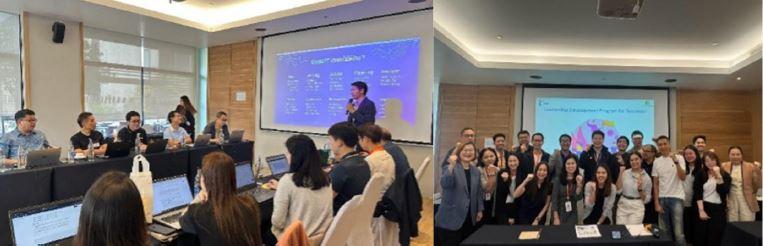
These development initiatives emphasize not only theoretical learning but also practical application, enabling employee to translate acquired knowledge into operational improvements and effective work practices while fostering collaboration and organizational growth.
Details of employee and executive training hours are as follows:
Employee and Executive Training | 2025 |
Number of Daily Employees | 11,189 |
Number of Monthly Employees | 1,458 |
Total Number of Employees | 12,647 |
Training Hours (FTEs) | 258,437 |
Average Training Hours per FTE | 20 |
In addition, the Company organizes Town Hall meetings every three months to enable employees at all levels—from senior executives, managers, and supervisors to general staff—to meet, communicate, and exchange ideas closely. These meetings also serve as a platform to share important company information, such as organizational goals, business performance, and future operational plans. Employees are encouraged to express their opinions and exchange ideas openly within the organization.
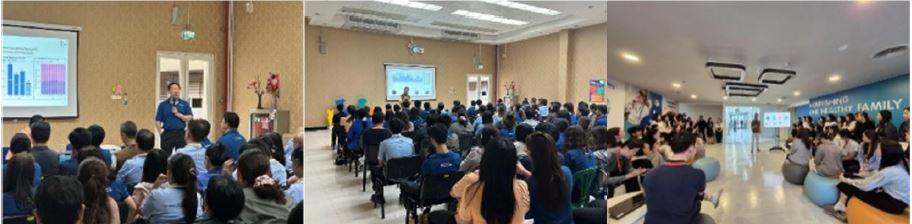
The Town Hall meetings act as a forum for transparent communication regarding key organizational information, strategic objectives, operational performance, and future plans. They also provide opportunities for employees to share feedback, exchange suggestions, and participate in constructive discussions. This helps strengthen organizational alignment, foster mutual understanding, and enhance employee engagement across all levels of the organization.
Furthermore, under the Tailwind Transformation Program, the Company implemented a series of Bootcamps and Workshops activities aimed at developing employee capabilities and supporting organizational transformation. The program focuses on enabling employees to identify opportunities, strengthen leadership effectiveness, and improve organizational change management capabilities to deliver sustainable and efficient outcomes.
The Tailwind Program comprise diverse development activities designed to enhance employee knowledge, technical competencies, and managerial and behavioral skills. Training programs delivered by internal and external experts cover key business functions, including marketing, procurement, and production operations, through active and participatory learning approaches that promote a culture of continuous development.
Key development areas include problem-solving skills, effective and impactful presentation capabilities, teamwork development, and trust building through integrated learning and practical exercises. These initiatives emphasize not only theoretical knowledge but also practical application in real work environments. Employees participating in these activities are able to apply acquired knowledge to operational planning, implementation, and action-oriented strategies, while also inspiring collaboration and performance improvement among their teams and colleagues.
Digital Learning and Skill Development through “Power App Learning”
In 2025, the Company remained committed to enhancing employee capabilities through the development of the “Power App Learning” application, supported by video-based and graphic learning materials. The platform provides online skill process training, covering 15 skill areas across 41 learning modules, designed for employees across various functional roles, including Engineering, Production, Quality Control, and Warehouse operations.
The application includes Pre- and Post-Learning Assessments, as well as individual- and skill-based progress tracking system to measure learning effectiveness. During the year, 1,496 employees participated in the training programs, with all participants successfully completing the assessments, and achieving an average post-training score improvement of 15%.
In addition, 76 supervisors completed training at the Master level, subsequently transferring the acquired knowledge and skills to their respective teams. All participants successfully passed the required evaluation criteria.
This initiative reflects the Company’s commitment to strengthening scalable learning, knowledge transfer, and sustainable workforce capability development.
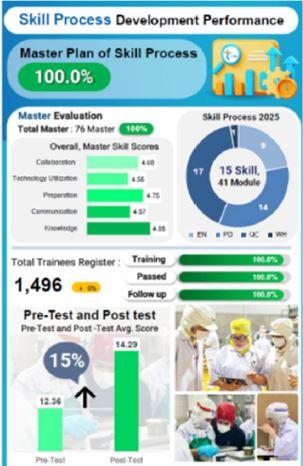
Pet Academy: Digital Learning Platform for Capability Building
In 2025, the Company launched the “Pet Academy” program, an online learning platform developed for employees at the Samut Sakhon and Songkhla manufacturing facilities, to support employee capability building. The platform serves as a comprehensive One-Stop Knowledge Hub and a Community of Practice, promoting continuous learning and knowledge sharing across the organization.
The “Pet Academy” platform helps reduce the time required to access accurate information and supports more efficient work performance across manufacturing operations.
The Pet Academy platform comprises three core learning areas, as follows:
1. Transformation
This learning area enhances employee capabilities through tools and learning resources related to the Company’s Transformation Programs, enabling employees to develop and strengthen their skills as change leaders. The content covers transformation initiatives across marketing, procurement processes, and production operations, supporting organizational adaptability and effective change management.
2. Pet Manufacturing
This learning area focuses on productivity improvement tools and manufacturing techniques applicable to all functional areas within pet food manufacturing operations, including production, quality control, engineering, and manufacturing excellence management. Employees are able to apply acquired knowledge directly to their daily responsibilities to enhance operational efficiency and individual productivity.
3. AI-Empowered Learning
This learning area promotes capability development through the application of artificial intelligence (AI) technologies, comprising a variety of learning topics supported by pre-configured chatbot agents (prompt-based systems). These tools enable employees to interact with and access information instantly, supporting real-time learning and workplace problem solving.
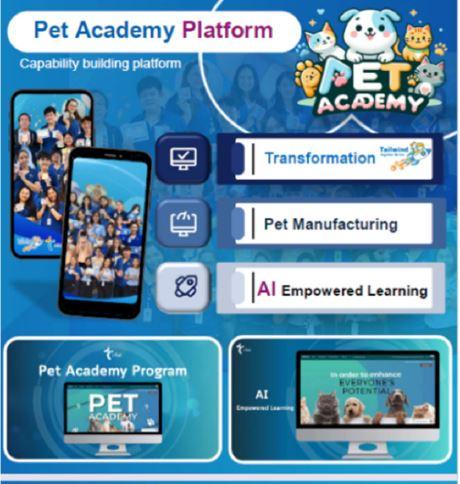
Strategic Capability Development Plan and Roadmap (2026–2030)
In 2025, the Company developed a strategic capability development plan and roadmap covering the period 2026–2030, and commenced implementation in accordance with the following Strategic Priorities and Roadmap.
Skill Development
In 2026, the Company will focus on enhancing expertise in Total Productive Maintenance (TPM) through four core pillars:
AM (Autonomous Maintenance)
PM (Planned Maintenance)
QM (Quality Maintenance)
LCS (Loss Cost System)
Operational execution emphasizes integration across all TPM pillars to support holistic learning and elevate manufacturing operations toward World-Class Manufacturing standards. Key shop-floor competencies to be strengthened include Cleaning, Inspection and Lubrication (CIL), Inspection, QC Story methodology, and OTIF (On-Time-In-Full) Tracking, with the objectives of increasing productivity and reducing operational errors.
The Education And Training (E&T) Skills Roadmap for 2026–2030 focuses on building a measurable on-the-job capability development system directly linked to operational KPIs, covering all TPM pillars to ensures that capability development contributes to operational performance and continuous improvement.
Pet Academy Platform Enhancement
In 2026, the Company plans to further enhance the Pet Academy learning platform to improve usability and better respond to user needs through four key development areas:
Increasing engagement and participation across all functions
Developing AI-based learning tracking systems to analyze and monitor learning progress
Expanding Quality Control (QC) knowledge content
Enhancing platform functionality based on user feedback and insights
Employee Engagement And Retention
i-Tail Corporation Public Company Limited firmly believes that “employees are at the heart of success.” Under the global sustainability strategy, SeaChange 2030, the Company is committed to elevating people management standards across all dimensions—Safety, Legal compliance, and Dignified Work.
These commitments are reinforced by the Company’s “Happy and Moral Workplace” policy, guided by the Happy 8+1 framework, with the objective of creating a working ecosystem in which employees are happy, secure, and empowered to grow alongside the Company’s ambition to become a global leader in the pet food industry.
The Company has modernized its internal communication to become more transparent, inclusive, and boundary-less, strengthening organizational alignment and unity through multiple engagement platforms:
Quarterly Town Hall Meetings: The Company organizes Town Hall meetings on a quarterly basis, during which senior executives communicate quarterly business performance, strategic updates, corporate direction, and progress on transformation initiatives. These sessions also provide employees with direct access to leadership, enabling open dialogue and real-time discussion on business operations.
Talk TU Podcast: As a new internal communication channel, the Company launched the “Talk TU” Podcast. The inaugural episode featured Mr. Roy Chan, Chief Executive Officer, discussing “Pet Project: Transforming i-Tail for a Changed World.” Delivered in a relaxed yet insightful format, the podcast shares leadership perspectives on the pet care industry and organizational transformation, helping employees connect more closely with leadership vision and strategic direction.
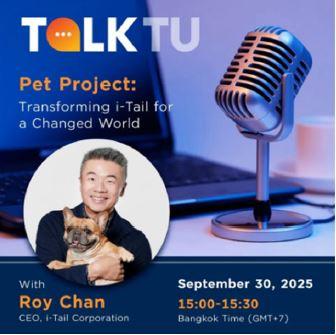
ITC Connect - Open Dialogue Sessions: ITC Connect serves as an open-dialogue platform where senior executives, led by Mr. Nakhon Niruttinanon, Chief Operating Officer, engage directly with employees to listen, exchange ideas, and collaboratively identify opportunities for workplace improvement, reflecting the Company's commitment to “Co-Creating the Best Place to Work.”
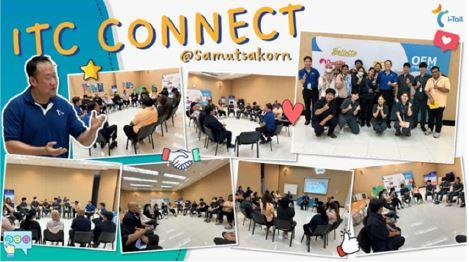
Driving a Happy and Moral Workplace
In 2025, the Company elevated employee well-being to the policy level through the formal adoption of its Positive and Moral Organization Policy and Operating Framework, aligned with Happy 8+1 principles. The framework has been implemented through tangible and inclusive across multiple dimensions, as follows:
Health and Recreation
(Happy Body and Relax)
Health-focused employee clubs, including walking and running clubs, wellness clubs, volunteer clubs, and the Diversity, Equity, and Inclusion (DE&I) Club
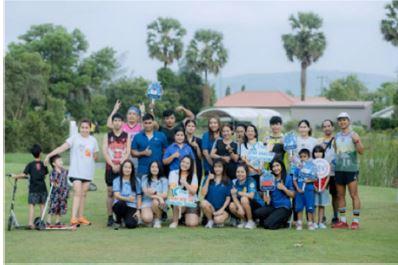
Continuous blood donation campaigns, with employees across all operating locations—Songkhla, Samut Sakhon, and Bangkok—actively participating to contribute to society and support life-saving initiatives
Diversity, Inclusion, and Social Contribution
(Diversity, Inclusion and Society)
International Women’s Day: Organized by the DE&I Club, featuring talk show sessions aimed at promoting gender equality and empowering women, with distinguished guest speakers sharing experiences to inspire positive change
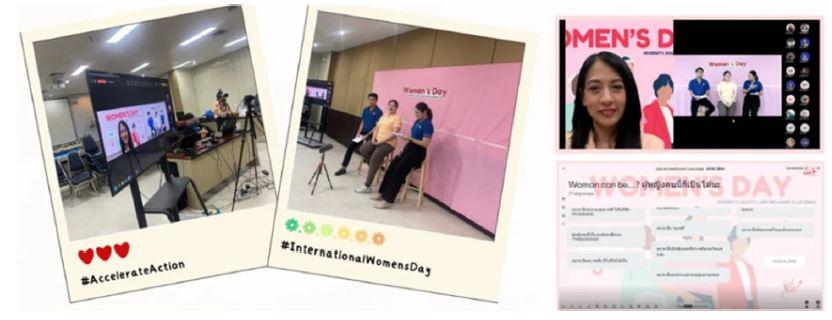
BE YOU, BE TU (Pride Month): Celebrations of gender diversity through pride parades, diversity dialogue sessions, and presentation of the Pride Hero Award recognizing role-model employees who foster an inclusive workplace culture

The “Happy Family – Sharing Happiness” initiative supporting vulnerable communities, alongside the “Informed Fisheries Workforce” program implemented in collaboration with the Ministry of Labour to enhance quality of life across the supply chain
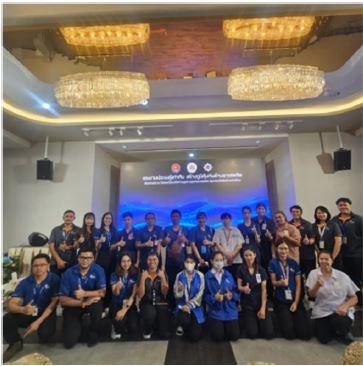
Happiness, Family, and Creative Engagement
(Happy Relax and Happy Family)
Creative Happiness Festivals foster a warm and inclusive workplace environment through seasonal engagement activities, including “Songkran Splash of Happiness 2025,” which promotes Thai cultural traditions, and Happy Valentine’s Day: “Happiness in Love, Creativity in Action”, enabling employees to share positive messages through both online platforms with #ThaiUnionSuk and on-ground activities
Got Talent initiatives, provide opportunities for employees to showcase talents and creativity, strengthening engagement, team unity, and morale
Ethics, Integrity, and Safety
(Happy Soul and Good Governance)
Responsibility in Action: Following the earthquake on 28 March 2025, employees demonstrated the Company’s values of Responsibility and Collaboration by supporting and caring for one another commendably
Anti-Corruption Commitment: Employee participation in Anti-Corruption Day 2025, reaffirming a collective commitment to transparency, ethical conduct, and good governance practices
Whale Done Recognition Program: Recognizing employees who demonstrate exemplary conduct and ethical behavior, reinforcing an organizational culture grounded in integrity, accountability, and responsible performance
Employee Voice, Engagement, and Retention
Listening to employee feedback is the starting point for organizational development. In 2025, the Company conducted its annual Employee Engagement Survey to strengthen employee relations and enhance workplace engagement, with the objectives of fostering a happy and sustainable working environment. Survey results are used to assess organizational conditions and support strategic human resource planning.
The Company remains committed to maintaining employee engagement scores consistently above 75%, reflecting employee satisfaction and well-being in alignment with the Happy Workplace Index established by the Thai Health Promotion Foundation (Thai Health).
The survey recorded an overall employee engagement score of 76.43%. Although this represented a slight decrease compared to 2024 (78.50%), primarily due to organizational restructuring, the score remained at a high level and closely aligned with 2023 (77.08%), demonstrating continued employees confidence in and commitment to the Company’s direction and leadership.
Voluntary Turnover Rate
The Company places strong emphasis on workforce management aligned with business direction and evolving labor market conditions, with the Voluntary Turnover Rate serving as a key human capital indicator.
In 2025, approximately 1,962 employees voluntarily resigned, representing a turnover rate of 15.56%. While this figure increased compared with 2024 (11.10%), mainly due to organizational restructuring and intensified labor market competition
From a long-term perspective, the turnover rate remains lower than the level recorded in 2023 (16.52%), reflecting continued workforce stability and the Company’s ability to retain employees over time.
2568 | 2567 | 2566 | |
Total Voluntary Employee Turnover (persons) | 1,962 | 1,358 | 1,957 |
Voluntary Turnover – Male Employees (persons) | 590 | 437 | 565 |
Voluntary Turnover – Female Employees (persons) | 1,372 | 921 | 1,392 |
Voluntary Employee Turnover Rate (%) | 15.56% | 11.10% | 16.52% |
Succession Planning
The succession planning process is implemented in parallel with the Talent Review Process and the Individual Development Plan (IDP) framework. The Human Resources function works closely with management across all business units to evaluate employee potential and establish clearly defined individual development plans.
Special emphasis is placed on employees identified within the succession pipeline and highpotential talent. Competency gap analyses are conducted to develop structured development plans and career growth pathways, which serve as key references for promotion decisions, job rotations, internal mobility, and long-term capability development.
The process also includes ongoing career discussions with employees regarding career aspirations and expectations, as well as continuous monitoring and evaluation of development progress.
Board Oversight of Executive Succession
The Board of Directors recognizes the importance of succession planning for senior leadership positions such as the Chief Executive Officer (CEO) and other executive roles critical to the Company’s long-term success and organizational continuity.
The Board has therefore assigned the CEO and the Human Resources function to jointly develop succession criteria and plans for senior management positions to ensure leadership continuity, mitigate organizational risks, and maintain stakeholder confidence.
Succession Planning for Critical Positions
The Company has established a succession policy covering critical positions that directly influence business performance and organizational objectives. Critical positions are systematically reviewed on an annual basis to support both long-term succession planning and emergency preparedness.
The Human Resources function serves as the central coordinator of the Succession Plan process, facilitating alignment between senior executives across key business units and the Head of Human Resources. This approach strengthens organizational capability while reducing business continuity risks.
Types of Succession Plans
The Company’s succession planning framework consists of two main categories:
1. Succession Plan for Critical Positions
This plan addresses roles with significant impact on organizational success. Potential successors are categorized according to readiness levels:
Ready Now – capable of assuming the role immediately
Ready in 2-3 Years – capable of assuming the role within two to three years
Ready in 3-5 Years – capable of assuming the role within three to five years
These classifications support targeted leadership development and succession readiness.
2. Emergency Succession Plan
The Emergency Succession Plan identifies employees who can temporarily assume responsibility for critical leadership roles in emergency situations. The Company encourages each functional leader to designate emergency successors in advance. Responsibilities may be divided into specific functional areas, with clearly assigned accountabilities for each area to ensure operational continuity during unforeseen circumstances.
Employee Grievance Channels and Complaint Handling Process
In accordance with the Company’s requirement for management and employees to comply with business ethics, the Company has established a Code of Business Conduct and Labor Practice Guidelines to serve as a framework for appropriate conduct. To promote, support, and ensure effective adherence to these ethical standards, the Company has established formal channels enabling employees to report misconduct, unethical behavior, or corruption.
These channels also allow employees to seek clarification regarding ethical or labor-related practices, raise concerns regarding compliance with the Code, or provide constructive suggestions to improve organizational practices.
Complaint and Suggestion Channels
Employees who wish to submit a complaint or feedback may do so by clearly providing details of the matter, along with their name, address, and contact telephone number. All submitted information will be treated as strictly confidential and will not result in any adverse consequences for the complainant. Submissions may be made through any of the following channels:
Company management, immediate supervisors, or the HR Employee Relations function
Suggestion Box
Speak Out channel
Telephone: 1800 013 080
Website: https://thaiunion.ethicspoint.com
Online whistleblowing form:
https://www.i-tail.com/th/investor-relations/corporate-governance/whistleblowing-form
The Company is committed to protecting the confidentiality of complainants and ensuring that all reported concerns are addressed fairly, transparently, and without retaliation.
Plan Areas
| Plan Area |
|---|
| Fair employee compensation |
| Employee training and development |
| Promoting employee relations and participation |
| Migrant/foreign labor |
| Child labor |
| Occupational health and safety in workplace |
Employees — Workforce
Workforce Data
| Metric | Current Year | Previous Year | Two Years Ago | Remark |
|---|---|---|---|---|
| Total number of employees (Persons) | 15,367 | 12,355 | 10,917 | |
| Number of male employees (Persons) | 4,102 | 4,030 | 3,701 | |
| Number of female employees (Persons) | 11,265 | 8,325 | 7,216 | |
| Total employment of disabled persons (people) | 124 | 108 | 130 | Percentage of Employment of Persons with Disabilities to Total Workforce (%) 2025 = 1.02% 2024 = 1.01% 2023 = 1.10% |
| Total disabled employees (people) | 13 | 8 | 11 | Percentage of Total Employees with Disabilities to Total Workforce (%) 2025 = 0.1% 2024 = 0.07% 2023 = 0.1% |
| Total male disabled employees (people) | ||||
| Total female disabled employees (people) | ||||
| Total disabled workers who are non-employee (people) | 111 | 100 | 119 | |
| Contributions to the fund for promoting and improving the quality of life for disabled persons | 0 | 0 | 0 | |
| Total number of male employees in operational level (Persons) | ||||
| Total number of male employees in management level (Persons) | ||||
| Total number of male employees in executive level (Persons) | ||||
| Total number of female employees in operational level (Persons) | ||||
| Total number of female employees in management level (Persons) | ||||
| Total number of female employees in executive level (Persons) |
Employees — Remuneration & Provident Fund
Remuneration & Provident Fund
| Metric | Current Year | Previous Year | Two Years Ago |
|---|---|---|---|
| Total disabled employees (people) | 2,212,497,940 | 2,430,765,269 | 2,191,030,324 |
| Total male employee remuneration (Baht) | |||
| Total female employee remuneration (Baht) | |||
| Number of employees eligible to participate in PVD (persons) | 1,464 | 1,420 | 0 |
| Total number of employees joining employee provident fund (Persons) | 1,379 | 1,367 | 0 |
| Percentage of total number of employees joining employee provident fund to total number of employees (%) | 10.9 | 11.06 | 0 |
| Number of PVD members / Total eligible employees (%) | 94.19 | 96.27 | 0 |
| Total amount of provident fund contributed by the Company (Baht) | 33,854,969 | 30,712,531 | |
| Total amount of provident fund contributed by employee (baht) |
Employees — Training & Development
Training Data
| Metric | Current Year | Previous Year | Two Years Ago | Remark |
|---|---|---|---|---|
| Average employee training hours (Hours / Person / Year) | 20 | 23 | 14 | Average Training Days per Employee per Year 2025= 7.70 2024 = 7.87 2023 = 12.20 |
| Employee development and training expenses (baht) | 4,401,953 | 8,608,273.49 | 9,881,190 |
Employees — Occupational Health & Safety
Occupational Health & Safety Data
| Metric | Current Year | Previous Year | Two Years Ago |
|---|---|---|---|
| Total number of lost time injury incidents by employees (Cases) | 14 | 11 | 20 |
Employees — Labour Relations
Labour Relations Data
| Metric | Current Year | Previous Year | Two Years Ago |
|---|---|---|---|
| Total voluntary resignations (Persons) | 1,962 | 1,358 | 1,957 |
| Male employees who voluntary resigned (Persons) | 590 | 437 | 565 |
| Female employees who voluntary resigned (Persons) | 1,372 | 921 | 1,392 |
| Percentage of employee turnover leaving the Company voluntarily (%) | 15.56 | 11.1 | 16.52 |
| Evaluation result of employee engagement | 1 | 1 | 1 |
Employees — Employee Representation
Employees Are Represented Collectively
Yes
Forms of Representation
| Form |
|---|
| Welfare committee |
Employees — Targets
Has Set Employee Targets
Yes
Targets
| Indicator | Target Areas | Target Year | Target Year — Description |
|---|---|---|---|
| Training Hours per Employee per Year | 2984 · Description: Employee training and development | 2,028 | Conducted annually, with more than 50% of employees required to receive at least 6 hours of training per person per year. |
Employees — Performance & Outcomes
Has Performance Results
Yes
Performance Description
Awards of Excellence: a Testament to Success
The Company’s comprehensive and sustained commitment to employee well-being and ethical business practices received national recognition in 2025 through the following prestigious awards:
“Excellence Level Happy Workplace Organization” Award, presented by the Thai Health Promotion Foundation (ThaiHealth) on 28 February 2025. The award recognizes the Company’s success in creating a sustainable happy workplace through well-being initiatives across four dimensions, guided by the Happy Workplace framework and the Happy 8 concept
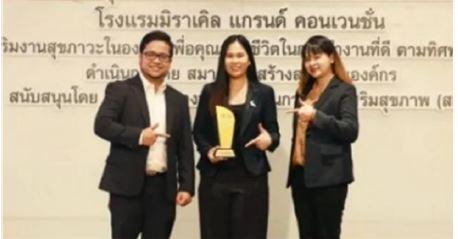
“Private Sector Moral Organization with Moral Credit System” Award, presented by the Moral Promotion Center (Public Organization) on 22 August 2025. The award was received by Mr. Prapon Prayoonniramai, Pet Food Director, on behalf of the Company from a Privy Councilor, reflecting the Company’s leadership in conducting business with integrity and moral responsibility
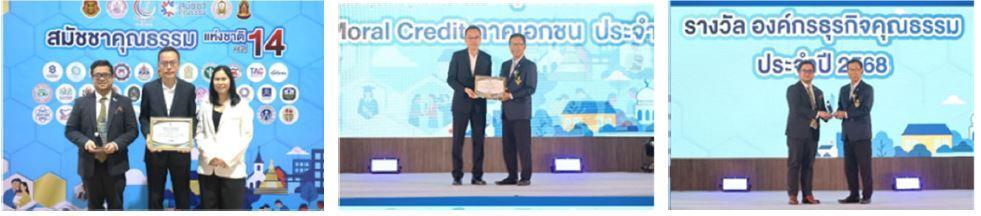
Outstanding National Labor Relations and Employee Welfare Award, with the Songkhla site receiving the award for the ninth consecutive year, and the Samut Sakhon site receiving the award for the third consecutive year
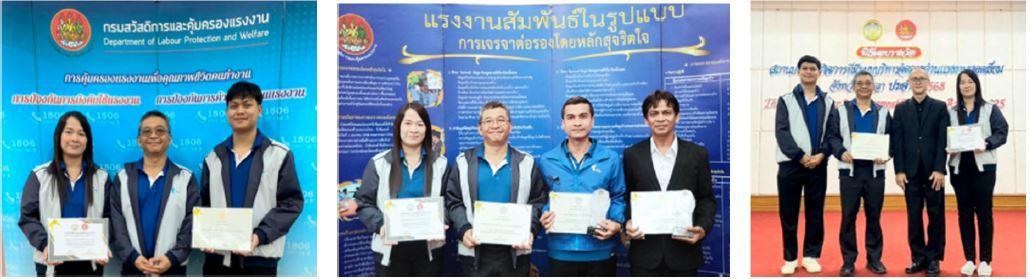
Certificate of Recognition as a Forced-Labor-Free Workplace, affirming the absence of child labor, forced labor, compulsory labor or services, and labor trafficking, verified through a recognized self-assessment and certification process.
Customers — Plan & Guidelines
Has a Customer Management Plan
Yes
Plan Description
Customer Responsibility
The Company places strong emphasis on fair pricing practices and equitable trade terms by applying a cost-plus margin principle, whereby pricing is determined based on production costs combined with an appropriate gross profit margin. Pricing considerations also incorporate relevant factors such as market conditions, product categories, and customer-specific payment terms to ensure that proposed prices are reasonable and aligned with product quality.
In addition, the Company is committed to delivering comprehensive services throughout the customer journey, both before and after sales. Multiple communication channels are provided for customer complaints and feedback, covering product quality and service performance. The Company conducts root cause analysis and implements preventive measures to address identified issues effectively, with the objective of achieving the highest level of customer satisfaction.
Customer satisfaction surveys are conducted regularly with clearly defined performance targets, and the Company continuously improves service quality, including ensuring product delivery within customer-specified timelines.
Data Confidentiality and Responsible Communication
The Company strictly safeguards customer confidentiality and is committed to protecting customer information. Information relating to customers’ business plans, product formulations, or marketing strategies is not disclosed to external parties or competitors. All contractual obligations and agreements are strictly observed.
Advertising and public relations activities are conducted only with prior customer consent to prevent the disclosure of confidential commercial information. The Company also complies fully with the Personal Data Protection Act (PDPA), ensuring that personal and business data are not used improperly or in violation of applicable laws or Company policies.
Plan Areas
| Plan Area |
|---|
| Responsible production and services for customers |
| Communication of product and service impacts to customers/consumers |
| Development of customer satisfaction and customer relationship |
| Protection of customer personal information |
Customers — Satisfaction Results
Customer Satisfaction Results
| Metric | Current Year | Previous Year | Two Years Ago |
|---|---|---|---|
| Evaluation results of customer satisfaction | 1 | 1 | 1 |
Customers — Targets
Has Set Customer Targets
Yes
Targets
| Indicator | Target Areas | Target Year | Target Year — Description |
|---|---|---|---|
| Overall Customer Satisfaction Level | 3009 · Description: Development of customer satisfaction and customer relationship | 2,025 | Not less than 95% |
Customers — Performance & Outcomes
Has Performance Results
Yes
Performance Description
Customer Satisfaction Assessment
The Company conducts annual customer satisfaction assessments, with a target of achieving an overall customer satisfaction level of not less than 95%.
In 2025, satisfaction levels were evaluated across multiple dimensions, including sales services, research and product development, product quality, and delivery performance. The overall satisfaction score reached 92%, which is considered to be at an excellent level.
Nevertheless, all feedback and recommendations obtained from the assessment are systematically reviewed and presents to senior management. These insights are incorporated into operational improvement plans and monitored on an ongoing basis to ensure continuous enhancement of customer satisfaction in a sustainable manner.
Community & Social — Plan & Guidelines
Has a Community & Social Plan
Yes
Plan Description
Corporate Social Responsibility (CSR)
For the Company, social responsibility is a fundamental element of sustainable business operations. As a member of the Thai Union Group, in 2025 the Company implemented CSR initiatives aligned with Thai Union Group’s SeaChange 2030 sustainability strategy, focusing on creating positive impacts for society, communities, and the environment.
The Company prioritizes two key focus areas:
Restores and Protects Communities for Our People and Pets
Restores and Protects Ecosystems for Our Planet
Under this focus, Restores and Protects Communities for Our People and Pets, the Company concentrates its efforts on four core dimensions:
Health and Wellbeing
Livelihood and Skills Development
Children and Education
Food Security and Disaster Relief
In addition, the Company provides social contributions and donations under its CSR framework, emphasizing meaningful and long-term partnerships. The objective is to foster strategic collaborations that strengthen communities, ecosystems, and sustainable livelihoods over the long term
Plan Areas
| Plan Area | Other — Please Specify |
|---|---|
| Employment and professional skill development | |
| Education | |
| Occupational health, safety, health, and quality of life | |
| Others | Health and Wellbeing, Food Security and Disaster Relief |
Community & Social — Targets
Has Set Community & Social Targets
Yes
Targets
| Indicator | Target Areas | Target Year | Target Year — Description |
|---|---|---|---|
| 1. Number of pets in the community vaccinated against rabies 2. Number of residents attending pet health care awareness sessions. 3.Number of households benefiting from pet vaccination services. | 3045 · Other name: Health and Wellbeing · Description: Others · 3041 · Description: Occupational health, safety, health, and quality of life | 2,028 | The activity is conducted annually, three times per year. |
| Total waste collected (kg or tons) | 3045 · Other name: Restoration and Protection of Ecosystems · Description: Others · 3039 · Description: Forests and natural resources | 2,028 | The Company has set a target to organize waste collection activities at least twice per year. |
Community & Social — Performance & Outcomes
Has Performance Results
Yes
Performance Description
CSR Focus Areas in 2025
In 2025, the Company focused its CSR initiatives on the following key priority area:
1. Health and Wellbeing
As a responsible organization, the Company is committed to promoting the health and well-being of both people and pets, particularly within communities surrounding the Company’s operating areas. These efforts aim to enhance quality of life and foster long-term, sustainable relationships with society.
The Company also places strong emphasis on pet health and well-being through the donation of nutritionally balanced pet food products as well as the organization of pet healthcare activities such as vaccination programs for cats and dogs. These initiatives help prevent disease and promote responsible pet ownership under the “i-Tail for Our Beloved Four-Legged Friends” program.
Annual Dog and Cat Vaccination Campaign
In 2025, the Company organized the vaccination campaign for the second consecutive year in collaboration with the Tha Sai Subdistrict Administrative Organization in Samut Sakhon Province and the Phawong Subdistrict Municipality, Mueang District in Songkhla Province. The program received strong support from veterinarians and specialists from the Company’s i-Cattery Research Center.
The campaign provided annual rabies vaccinations for more than 400 dogs and cats owned by community members, along with educational outreach covering the topics such as the importance of rabies prevention through vaccination, responsible pet care, and annual health check-ups for pets
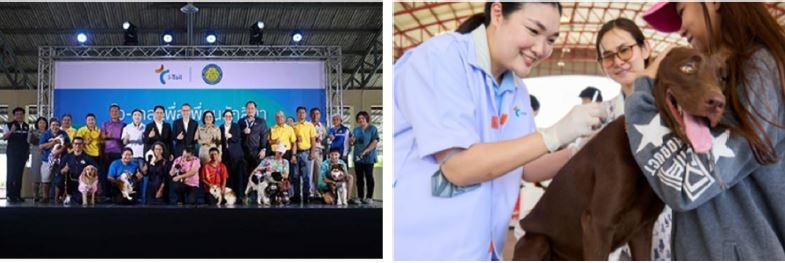
2. Livelihood and Skills Development
“Second Chance for a Better Life” Project
From recognizing the growing number of stray dogs in Thailand, which affects both animal welfare and public safety, the Company is committed to contributing to the reduction of stray dog populations and promoting responsible pet ownership. The Company has collaborated with The Voice Foundation and the Chaiphak Dog Training Center to launch the project “A Second Chance for a Better Life.” The project aims to support the training and behavioral rehabilitation of homeless dogs in order to improve the quality of life of stray dogs and increase their chances of being adopted by new families. The project commenced in 2024 and will continue through 2028.
These activities help strengthen the bond between humans and animals while reflecting the Company’s commitment to enhancing animal welfare alongside creating sustainable social value for the community.
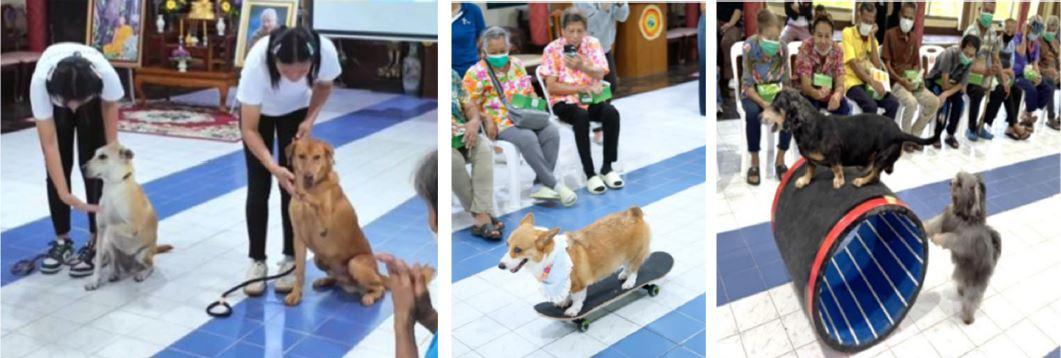
3. Children and Education
The Company recognizes education as a key foundation for social development and community resilience. Accordingly, the Company supports educational development and access to learning opportunities within communities surrounding its operating areas.
Memorandum of Understanding with Ban Nam Krajai School
In late 2023, the Company’s Songkhla manufacturing facility entered into a two-year Memorandum of Understanding (MOU) with Ban Nam Krajai School to support long-term educational development.
In 2025, the Company provided financial support totaling THB 108,000, covering:
Learning Environment Enhancement: Improving the school’s learning atmosphere to create an environment more conducive to learning and to support its development as a quality community school
Sanitation Systems and Infrastructure Development: Repairing and maintaining school facilities to meet hygiene and safety standards, including upgrades to essential utilities
Educational Support: Providing funding to enable the school to recruit additional educational personnel, ensuring continued delivery of quality education to students
i-Tail Vet Student Campus Connect
The i-Tail Vet Student Campus Connect program is an academic collaboration initiative between academic institutions and the pet food industry, through lectures, workshops, and practical learning experiences focused on pet nutrition science.
The program emphasizes evidence-based scientific knowledge covering product formulation, food safety systems, and veterinary evaluation of pet nutrition, This initiative strengthens collaboration between universities and the pet food industry, helping prepare veterinary students with internationally aligned competencies.
Clinical Nutrition Capacity-Building Program (2025)
In 2025, the Company, in collaboration with Bangkok Animal Hospital and the Faculty of Veterinary Science, Chulalongkorn University, organized the “Steps for Clinical Nutrition” program, comprising a lecture titled “Basic Energy Requirement Calculation and How to Estimate the Appropriate Food Amount for Our Patients?” and a workshop titled “From Pet Food Industry to Veterinary Practice: What Truly Matters for Our Patients?”
4. Food Security and Disaster Relief
Support for Earthquake Search and Rescue Operations
In 2025, the Company collaborated with Thai Union Group to support earthquake response operations through donation of pet food for K-9 search and rescue unites and rescue units and assistance to affected communities.
Support for Southern Thailand Flood Relief
In 2025, the Company also partnered with Thai Union Group to provide relief assistance to flood-affected communities in southern Thailand through the distribution of food products and essential supplies to support emergency response and recovery efforts.
Support for Communities Affected by the Thai–Cambodian Border Conflict
In 2025, the Company provided humanitarian assistance to communities affected by the Thai–Cambodian border conflict through donations of pet food products and essential supplies to alleviate hardship and support affected communities.
Waste Collection and Marine Conservation Activities
Thai Union Group places strong emphasis on waste collection initiatives as a core mission under the SeaChange 2030 sustainability strategy, with a target of organizing two waste-collection activities per year on International Coastal Cleanup Day and World Oceans Day.
The Company’s Samut Sakhon and Songkhla manufacturing facilities actively participated in these initiatives to promote sustainable marine conservation.
World Oceans Day
In June 2025, the Company, in collaboration with Thai Union Group, Samut Sakhon City Development, and partner organizations, organized the “Marine Waste Collection for the Restoration and Conservation of Marine and Coastal Resources on World Oceans Day” project for the fifth consecutive year. The activity was held at the Mangrove Forest Resource Research Center No. 2, Samut Sakhon Province, resulting in the collection of more than 2.4 tons of marine waste.
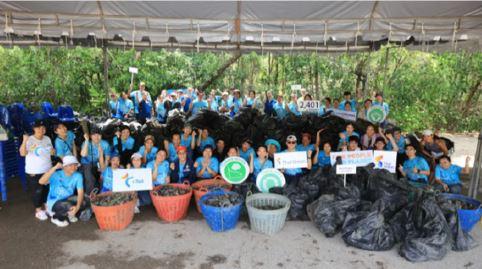
In July 2025, the Company’s Songkhla facility organized a marine waste reduction campaign under “i-Tail Love the Ocean” initiatives at Koh Maew, Songkhla Province. The activity was conducted in collaboration with multiple stakeholders, including the Marine and Coastal Resources Office Region 5, Thai Sea Conservation Association, Songkhla Recreational Fishing Conservation Association, and Songkhla Local Coastal Community Network. The initiative resulted in the collection of more than 600 kilograms of waste and the release three sea turtles back into their natural habitat.
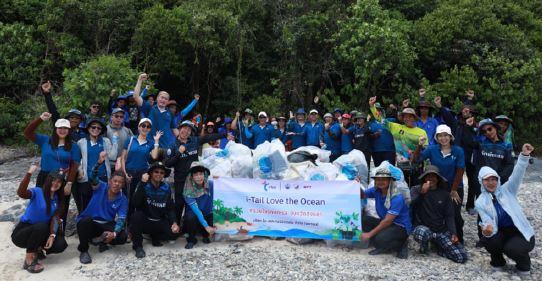
International Coastal Cleanup Day
In September 2025, the Company joined Thai Union Group in organizing a mangrove waste collection activity at the Mahachai Eastern Coastal Natural Resource Conservation and Rehabilitation Learning Center, Khok Kham Subdistrict, Mueang District, Samut Sakhon Province. The activity resulted in the collection of 755 kilograms of waste. In parallel, conservation activities in Songkhla province conducted by the Company’s Songkhla manufacturing facility collected and sorted more than 350 kilograms of waste through collaboration with public, private, and community stakeholders.
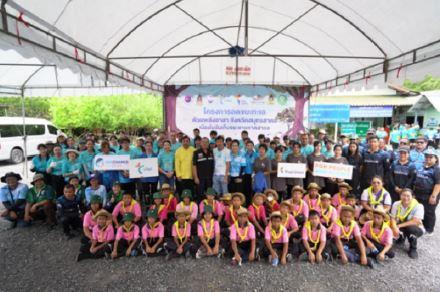
In addition, the Company’s Songkhla Plant continued its environmental commitment by organizing the “i-Tail Love the Ocean: Protecting Songkhla Sea Together-Phase 2” activity at Bo It Beach, Ko Taeo Subdistrict, Mueang District, Songkhla Province. The initiative aimed to support the restoration and conservation of marine and coastal resources while continuously promoting environmental awareness among local communities.
This activity was carried out with the collaboration of multiple stakeholders, including government agencies, private sector partners, educational institutions, and local residents. Participants joined efforts to collect waste along the Beach shoreline, resulting in the collection and sorting of more than 350 kilograms of waste.
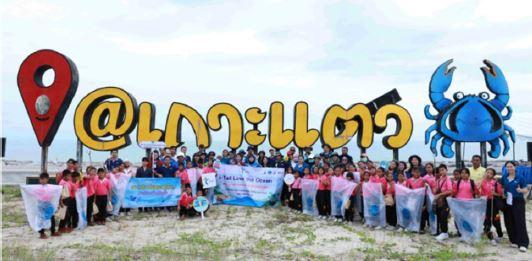
These initiatives reflect the Company’s long-term commitment under the SeaChange 2030 strategy to prevent more than 1,500 tons of plastic waste from entering rivers, waterways, and oceans by 2030, with particular focus on mangrove ecosystems, which serve as critical marine debris retention areas. The Company continues to promote collaboration with coastal communities and multi-stakeholder partners to advance sustainable environmental conservation and lasting social impact.
Law Violation Incidents
Law Violation Incidents
| Metric | Current Year | Previous Year | Two Years Ago |
|---|---|---|---|
| The total number of cases or incidents of significant violations of laws or regulations regarding social and human rights (Cases) | 0 | 0 | 0 |
| The total number of cases or incidents that cause significant labor disputes (Cases) | 0 | 0 | 0 |
| The total number of cases or complaints related to consumer rights violations (Cases) | |||
| The total number of cases or complaints related to partner rights violations (Cases) | |||
| The total number of cases or incidents that cause disputes with the community/society (Cases) | |||
| The total number of cases or incidents related to cyber security or customer data breaches (Cases) | |||
| The total number of cases or incidents related to safety and occupational health at work (Cases) |